

The Alfred Kordelin Foundation’s Major Cultural Projects provide solutions to societal challenges. In the 2026 application round, three Major Cultural Project grants were awarded, totaling 630,000 euros.
Major Cultural Projects tackle societal challenges through the perspectives of science, art, and public enlightenment. The projects are ambitious and impactful, aiming for long-term continuity. In 2026, the grants were awarded to ODDfest, Red Nose Company, and Tampere University.
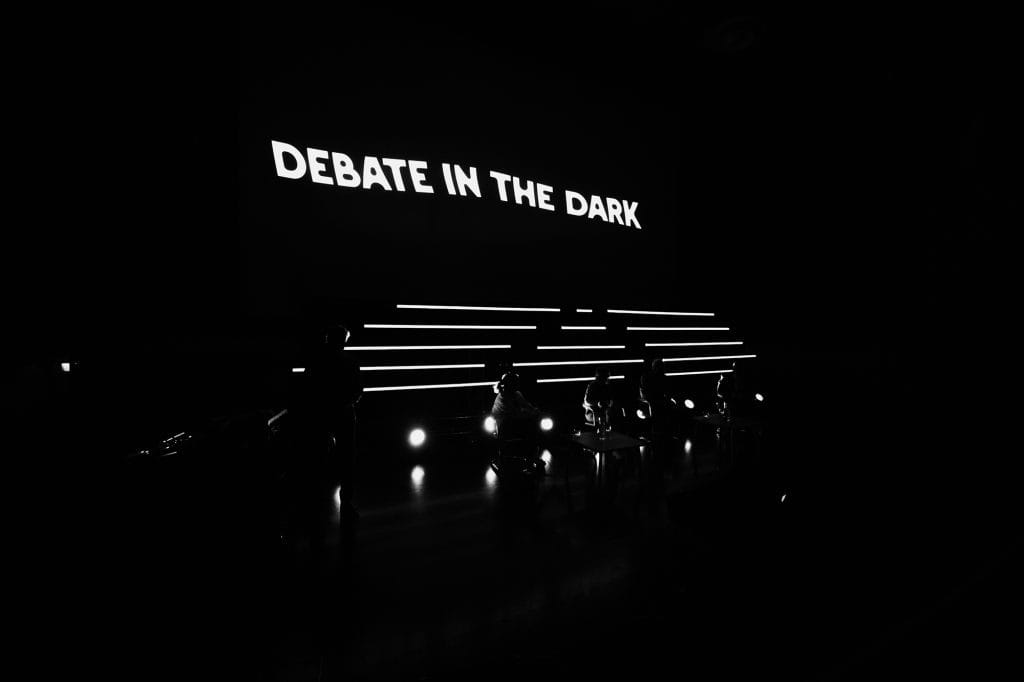
ODDfest – 200,000 euros
The creative economy in Finland is not developing despite the sector’s significant business potential. The problem is not a lack of expertise, but rather that activities are built around individual projects. As a result, knowledge does not accumulate or transfer efficiently.
The aim of the two-year project is to establish ODDfest as Finland’s national flagship event for the creative economy and to build structures connecting the economy and culture.
“ODDfest creates new forms of collaboration and networks while strengthening the position of the creative industries. The goal is to establish a permanent platform where creators, companies, investors, as well as the education and public sectors, meet annually,” summarizes ODDfest Founder Ronny Eriksson.
At the heart of the project is a three-part event concept, led by the creative festival ODDfest. ODDference brings business leaders and policy-makers into the audience to learn directly from creatives. A new city-wide format, Creative Week, activates public spaces across Helsinki with free cultural programming accessible to all.
ODDfest will also develop incubator and accelerator programs for the creative industries.
Red Nose Company – 138,000 euros
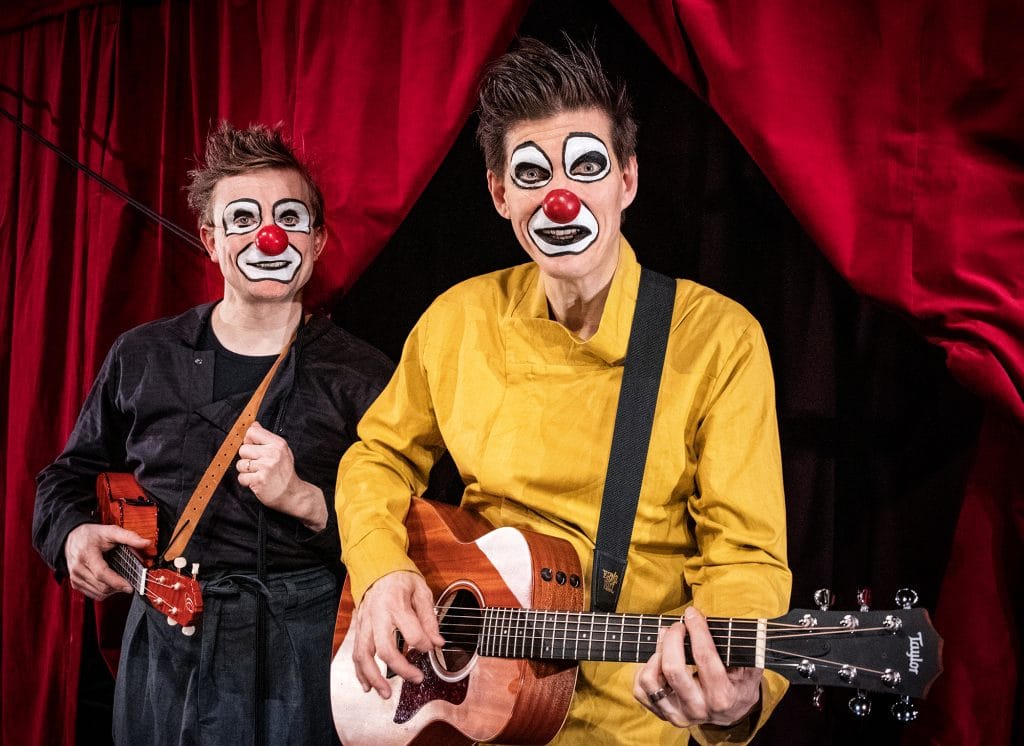
Red Nose Company, founded in 2005, is Finland’s leading clown theatre. With the awarded grant, the theatre will expand its international activities.
In summer 2027, Red Nose Company will collaborate with the Helsinki Festival to produce a new performance for the whole family. After its premiere, the production will be offered to several festivals and stages across Europe. A smaller version of the performance will tour cultural centres, schools, and theatres across Finland for several years and is aimed at children aged 6–12.
“The performance explores themes of polarization, conflict, and community,” say actors Timo Ruuskanen and Tuukka Vasama. “The goal is to strengthen social cohesion through art and to generate broader international interest in Finnish theatre.”
Tampere University – 292,000 euros
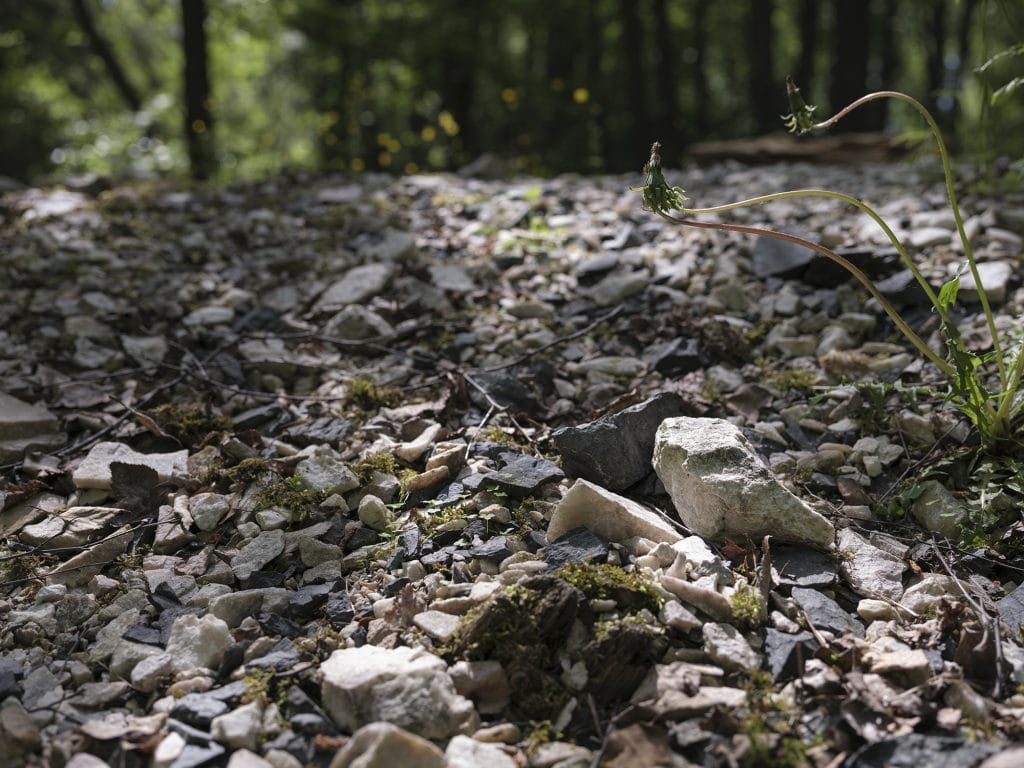
Critical raw materials are natural metals and minerals that are essential to our economy and society. They also have a high risk of supply disruption. Finland and Europe are entirely dependent on the rest of the world for certain metals, such as neodymium and dysprosium. The production of these metals is also associated with significant environmental problems.
In the research project at Tampere University, a method is being developed to utilize domestic sources of rare earth metals. Finland and other Nordic countries have abundant low-concentration side streams, which current rare earth collection processes are poorly suited to exploit. The research in Tampere is based on naturally occurring proteins that bind specific rare earth metals. The project aims to develop a synthetic biomaterial that can collect rare earth metals efficiently and in an environmentally friendly way.
“The need for new solutions is immediate in the current global context,” says Ville Santala, Professor of Biotechnology at Tampere University. “The project builds unique expertise in Finland and supports the green transition and sustainable use of resources.”
The research is socially significant, internationally unique, and aims for a scientific breakthrough. After the research period enabled by the Major Cultural Projects Grant, the project will expand toward practical applications.
Record Number of Applications
The Major Cultural Projects Grant was open for applications from 15 to 31 January. A record total of 292 applications were submitted to the foundation. Compared to the previous year, the number of applications increased significantly, by nearly 25%.
The Bridge Funding can be granted to already implemented Major Cultural Projects to support their continuity and impact. The funding is intended for projects that are still active and have a clear plan demonstrating how their chances of securing further funding will improve and how the project’s impact will grow. Bridge funding was not awarded in the 2026 application round.
Further information
Alfred Kordelin Foundation
Managing Director Erik Båsk
040 825 807